
After a California car accident, keep what you say to an insurance adjuster brief and factual. Confirm the basic details of the crash, but do not admit fault, describe your injuries before a doctor has examined you, or agree to a recorded statement on the spot. The adjuster works for the insurance company, and early statements are often used to reduce or deny your claim. This guide covers what to say, what to avoid, whether you have to give a recorded statement, and how to handle a lowball offer.
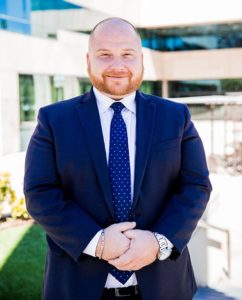
Erick is extremely passionate about issues involving injustices where there is an apparent imbalance of power. Whether the imbalance involves a large corporation or a government entity that denies responsibility and minimizes the harm they have inflicted on his clients, Erick prides himself in helping victims obtain full and complete compensation.
After a car accident you may hear from an insurance adjuster within a day or two, sometimes the same day. It helps to understand the adjuster’s job before you pick up. An adjuster works for the insurance company, and the company’s goal is to resolve your claim for as little as possible. A friendly early phone call is not a courtesy. It is a chance to collect statements and details that can be used to reduce or deny your claim before you even know how badly you are hurt. Going in with that understanding changes how you handle every conversation that follows.
A few common statements can quietly weaken a strong claim:
You do need to exchange basic information, but you can keep it brief and factual. Stick to the date, time, and location of the crash, the vehicles involved, and your contact and policy details. For anything beyond the basics, it is perfectly acceptable to say you are still gathering information or that your attorney will follow up. Polite and short protects you far better than detailed and helpful.
Two questions come up constantly. First, should you give a recorded statement? Generally no, at least not before you speak with a lawyer. The other driver’s insurer is not entitled to a recorded statement from you, and anything you say can be replayed later to pick apart your account. You are allowed to decline. Second, do you even have to talk to the other driver’s insurance company? You are not obligated to. You must cooperate with your own insurer under your policy, but you have no duty to give the at-fault driver’s insurer a statement. This becomes even more important when the other driver turns out to be uninsured or underinsured, where your own coverage may have to step in. That same caution matters when the other vehicle is a robotaxi, because you are facing a corporate insurer backed by the company’s own crash data. Read how we handle robotaxi accident claims.
Early settlement offers are often low on purpose, extended before anyone knows whether your injuries will need months of treatment. You are not required to accept the first offer, or any offer. A fair figure accounts for all of your medical care, including future treatment, your lost income, and your pain and suffering. Once you accept and sign a release, the claim is closed for good, so the time to get the number right is before you sign, not after. An experienced car accident attorney can document the full value of your claim and negotiate from a much stronger position than you can alone.
These answers focus on dealing with insurance adjusters after a California car accident. For broader questions about the claim process and how fault is determined, visit our homepage.
Avoid admitting fault, apologizing, saying you are “fine,” speculating about how the crash happened, or describing your injuries in detail before a doctor has evaluated you. Each of these can be used to reduce or deny your claim.
Generally no, especially to the other driver’s insurer and especially before speaking with a lawyer. You are not required to give a recorded statement to the at-fault party’s insurance company, and the recording can later be used to challenge your account.
No. You must cooperate with your own insurer under your policy, but you have no obligation to give a statement to the other driver’s insurance company. You can refer their questions to your attorney.
Under California’s Fair Claims Settlement Practices Regulations, an insurer generally must acknowledge a claim within 15 calendar days and then respond within a reasonable time after receiving proof of the claim. If an adjuster goes silent for long stretches, that can itself be a problem worth raising with an attorney.
No. You are not required to accept the first offer or any offer. You can negotiate, and if the insurer will not pay a fair amount, you can pursue the claim further with the help of a lawyer.
An insurance adjuster investigates a claim, reviews the evidence and medical records, assigns a value, and negotiates the payout on behalf of the insurance company. Their role is to protect the insurer’s bottom line, which is why their interests are not the same as yours.
The first call from an adjuster can shape your entire claim, and once you have given a statement or signed a release, it is difficult to undo. Before you talk to the insurance company, talk to Novik Law Group. Call (818) 305-6041 for a free case review. There is no fee unless we recover for you.
If you’ve been injured or lost a loved one due to another’s negligence, our team of experienced personal injury lawyers will fight to ensure you receive the compensation you deserve.
No cost consultation.
Please call us today and let us help you.
You don’t pay unless we win.