When do you have to file a police report after a car accident in California?
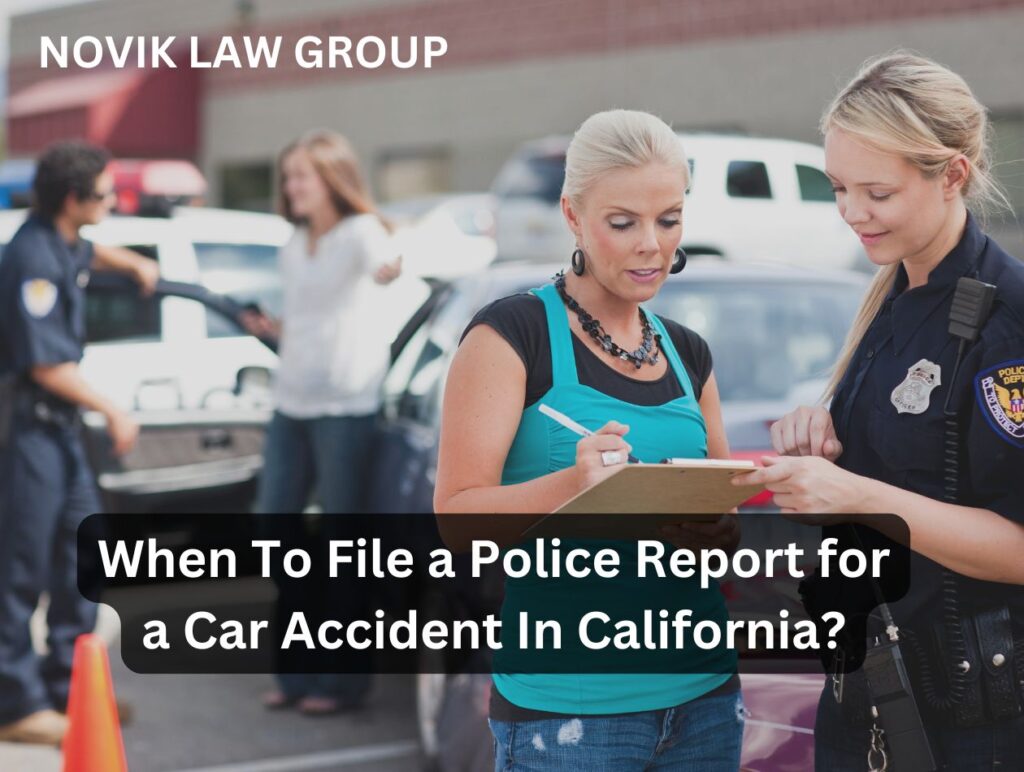
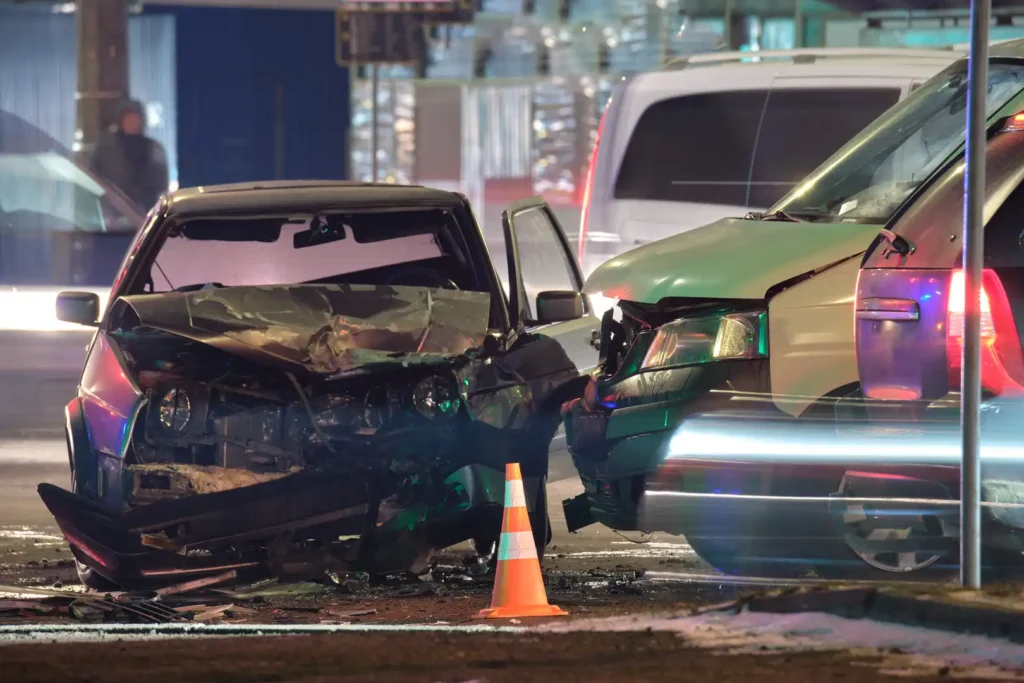
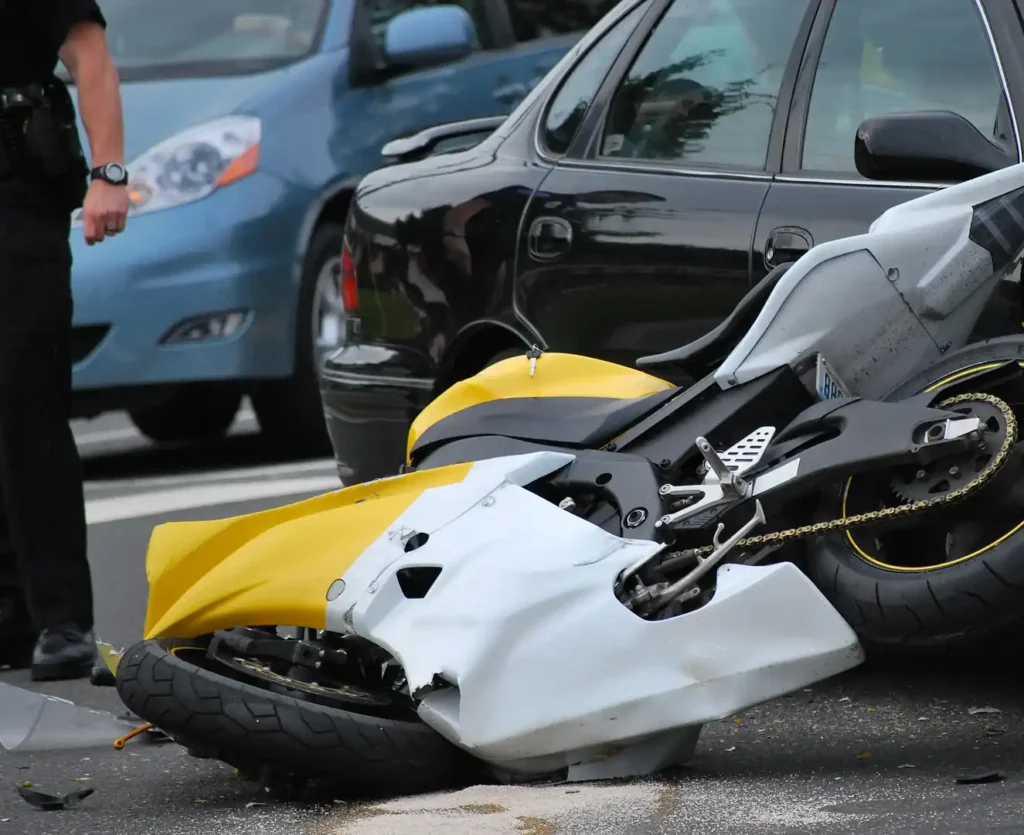
You are required to report a car accident in California when it causes injury, death, or more than $1,000 in property damage. When someone is hurt or killed, California Vehicle Code 20008 requires the crash to be reported to the police or the California Highway Patrol within 24 hours, unless an officer already investigated it at the scene. Hit-and-run accidents should always be reported to law enforcement. If police respond and write a report, that obligation is handled for you. If they do not come to the scene, the responsibility falls on you.
Do you have to report a car accident to the DMV?
Yes, and this is the step drivers most often miss. Separate from any police report, California Vehicle Code 16000 requires you to file form SR-1 with the DMV within 10 days of any accident that caused an injury, a death, or more than $1,000 in property damage to any one person. It applies regardless of who was at fault, even if the police already filed a report, and even if the crash happened on private property. With today’s repair costs, the $1,000 threshold is crossed by even a minor fender bender. You, your insurance agent, or your attorney can file it, and the fastest method is the online SR-1 on the DMV website. Missing the 10-day deadline can lead to a suspension of your driver’s license under Vehicle Code 16004.
The same SR-1 rule applies when the other vehicle is driverless. Autonomous vehicle companies must also file their own collision reports with the DMV, and those reports can become key evidence in a self-driving car accident claim.
How to file a police report for a car accident in California
The right step depends on the severity of the crash:
- If anyone is injured or the wreck is blocking traffic, call 911 so officers and paramedics respond. The responding officer files the report.
- If no one is hurt and police do not come, call the CHP non-emergency line or your local police department to make a report.
- If law enforcement will not take a report, you can submit your own using form CHP 555.
To get a copy of a police report later, request it from the agency that responded. Most charge a small fee, often in the range of $10 to $40 depending on length, and it can take a couple of weeks to arrive.
Do you need a police report to file an insurance claim?
You can file an insurance claim without a police report, but having one makes the claim much stronger. A police report is an official, third-party record of the time, location, vehicles, and often the officer’s read on what happened, which is hard for an insurer to dispute. Without it, a claim can come down to one driver’s word against the other’s. If you end up dealing with the other driver’s insurer, be careful about what you say, as we explain in our guide on what to say to an insurance adjuster.
What happens if you don’t report a car accident?
Skipping a required report can cost you in several ways:
- License suspension: failing to file the DMV SR-1 can result in a suspended driver’s license.
- Fines and penalties: not reporting a crash involving injury, death, or damage over $1,000 can bring fines.
- Criminal charges: leaving the scene of an injury accident is a hit-and-run, which can be charged as a misdemeanor or a felony.
- Insurance problems: your insurer may deny a claim if the accident was not properly reported, leaving you to pay out of pocket.
- A harder injury claim: if injuries surface later and there is no report, proving how the crash happened becomes much tougher.
Frequently asked questions about reporting a car accident in California
These answers focus on reporting a car accident in California. For broader questions about car accident claims and the injury-claim process, visit our homepage.
How long do you have to report a car accident in California?
If anyone was injured or killed, you must report to the police or CHP within 24 hours. Separately, you must file the DMV SR-1 within 10 days of any crash involving injury, death, or more than $1,000 in property damage. The 10-day clock starts on the day of the accident.
Do you have to report a minor fender bender?
Only if it caused an injury or more than $1,000 in property damage. Because modern bumpers, sensors, and cameras are expensive to repair, even a minor-looking fender bender often crosses the $1,000 threshold, which triggers the SR-1 requirement.
Can you file a police report after you leave the scene?
Yes. If officers did not respond at the scene, you can still report the crash through the CHP non-emergency line, your local police department, or form CHP 555. File as soon as possible, because memories fade and physical evidence disappears quickly.
Does an accident go on your record if no police report is filed?
It can. The SR-1 you are required to file puts the accident on your DMV record regardless of whether police responded, and insurers track claims separately through their own database. A missing police report does not keep an accident off your records.
Can the police charge a fee for a copy of the accident report?
Yes. The agency that responded can charge a fee for a copy of the report, commonly in the range of $10 to $40 depending on its length, and there may be a processing wait before you receive it.
Can you file an insurance claim without a police report?
Yes, a police report is not required to open a claim, but it makes a much stronger case. The official record helps establish what happened and who was at fault, which is harder to prove when it is one driver’s account against the other’s.
Is it illegal to not report a car accident in California?
Failing to report a qualifying crash can lead to a license suspension and fines, and leaving the scene of an accident that injured someone is a hit-and-run, which is a crime. Reporting promptly to the police, the DMV, and your insurer is the safest course.
How a car accident lawyer can help
Reporting is only the first step. If you were injured, an attorney can value your medical bills, lost wages, and pain and suffering, deal with the insurance company, and guide you through California’s comparative negligence rules if you are blamed for part of the crash. The team at Novik Law Group has recovered millions for injured clients, and attorney Erick Novik reviews each case personally. Call (818) 305-6041 for a free consultation. You pay nothing until we win your case.