
Yellow Traffic Light Rules & Laws in California

What you do in the immediate aftermath of an accident can help or harm your insurance claim! Remember, it's never a bad idea to talk to a local lawyer.
Does Insurance Cover Flying Debris Damage in California?

Hit by flying debris on a California freeway? Learn which auto insurance covers your damage, when comprehensive vs collision applies, deductibles, and how to file the right claim.
How Does Premises Liability Work in California? A Complete Guide to Your Legal Rights

California law requires owners to exercise a “duty of care.” This means they must take reasonable steps to maintain the property, inspect it for hazards, fix known dangers, and provide adequate warnings if a hazard cannot be immediately repaired. Here is everything you need to know about California premises liability law, landlord responsibilities, and how to prove negligence.
Whiplash After A Car Accident: Your Guide to Recovery and Claims
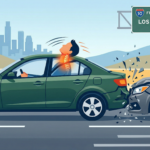
You are likely wondering: what is whiplash in a car accident, and what are my legal rights? Whiplash is one of the most common injuries sustained in traffic collisions. Because it affects soft tissues rather than bones, insurance companies often try to downplay its severity. If you have recently been rear-ended on an LA freeway, you might be experiencing a stiff neck, radiating pain, and severe headaches.
Pain and Suffering in California: How Is It Calculated?

In California, juries don’t use any standard formula when they calculate pain and suffering damages in a trial. Instead, they consider the severity and duration of your physical and emotional harm, the medical care you have received, and your long-term outlook for recovery, as well as how it may affect your daily life and your ability to work. If the defendant’s behavior showed recklessness or intentional negligence, it could affect your compensation.
Understanding California’s Comparative Negligence Law in Auto Accidents

Even when fault is not clear-cut, the comparative negligence law gives drivers a chance to seek a percentage of fair compensation when they share some of the responsibility. Our experienced Encino car accident attorneys at Novik Law Group understand California law, and they know how to push back against inflated fault percentages, ensuring your side of the story is fully represented.
How Is Fault Determined in a California Car Accident?
Drivers in California are expected to follow the rules of the road. When an at fault accident occurs, it has to be determined who acted recklessly or carelessly. Maybe someone ran a stop sign, failed to signal, or was texting while driving. Police reports, witness statements, cellphone records, surveillance footage, or additional evidence may confirm who was at fault. An attorney has to prove that careless actions caused measurable harm and tie it to the accident persuasively to win compensation in a California court.
Hit by an Uninsured Driver in California? Here's What You Can Do

California law gives you the right to recover compensation even when the at-fault driver has none, and an experienced lawyer knows exactly how to use your own uninsured motorist coverage, and other tools, to get you paid. We carry that fight so you can focus on healing.
Who Is Liable For Amusement Park Accidents?
California’s theme parks host millions of visitors every year and reported accidents range from minor amusement park mishaps to severe accidents with injuries. Common causes of amusement park accidents include malfunctioning rides, slips, and falls. Roller coasters and water rides can cause serious injuries due to the ride’s design, lack of proper maintenance, operator errors, and sometimes dangerous rider-related behavior. The state of California requires theme park operators and owners to maintain strict safety standards and follow their regulations.
How Much Can You Get For A Slip And Fall In California

A slip and fall accident occurs when someone slips, trips, or falls and is injured on someone else’s property because of a hazardous condition like uneven surfaces, wet floors, or poor lighting. An attorney must prove the property owner was negligent, and failed to address the hazardous condition. To prove premises liability, your attorney must also prove that the hazard at the location directly caused the slip, trip or fall, as well as your injury. California property owners are required to maintain a safe environment for visitors.

Categories
NO UP-FRONT COSTS!
If you think hiring an attorney is too expensive, think again! By following our legal advice, our clients pay zero fees and have zero out-of-pocket costs until we win or settle their case. Guaranteed.